

A Global Stage for Culture
La Biennale di Venezia is one of the most important cultural institutions in the world and one of the oldest. Founded in 1895, it has grown into a global platform for contemporary art, architecture, cinema, dance, music, and theater.
Often described as the “Olympics of the art world,” the Biennale brings together countries, artists, and architects from across the globe, each presenting their vision through exhibitions, installations, and national pavilions. At its core, the Biennale is not just an exhibition—it is a dialogue. A reflection of society, culture, and the challenges of each moment in time.
How the Biennale Works
The Biennale takes place every two years, alternating between:
- Art Biennale
- Architecture Biennale
The main exhibitions are held in two iconic locations:
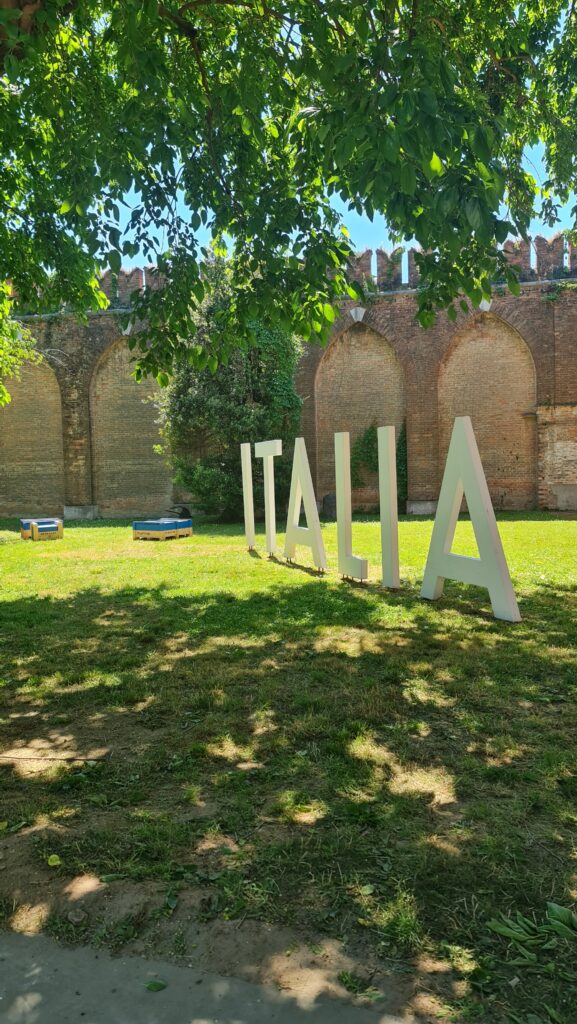
- Giardini — home to permanent national pavilions
- Arsenale — a former shipyard transformed into exhibition space
Beyond these, the entire city of Venice becomes part of the experience, with installations, exhibitions, and events spread across palaces, galleries, and public spaces.
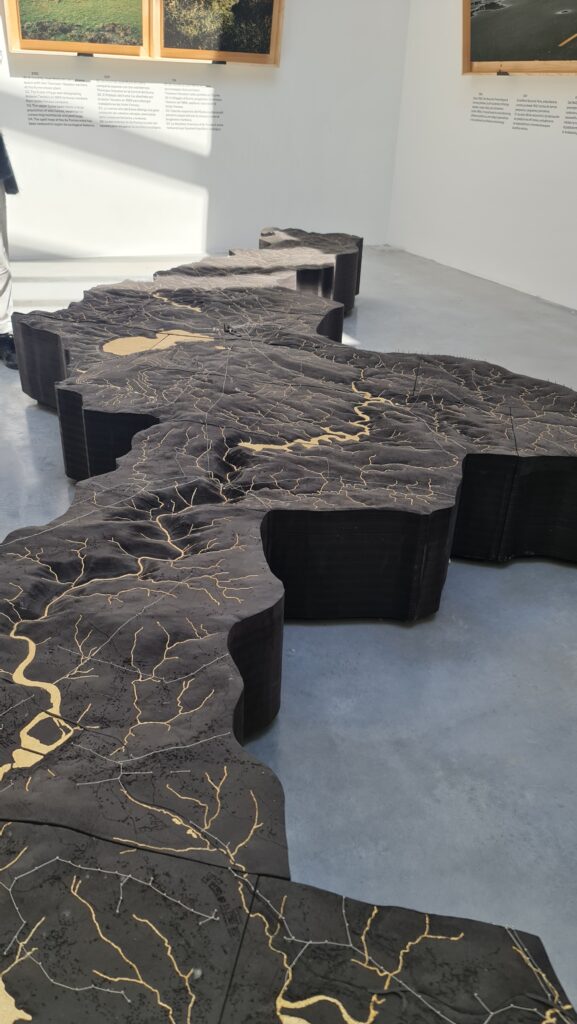
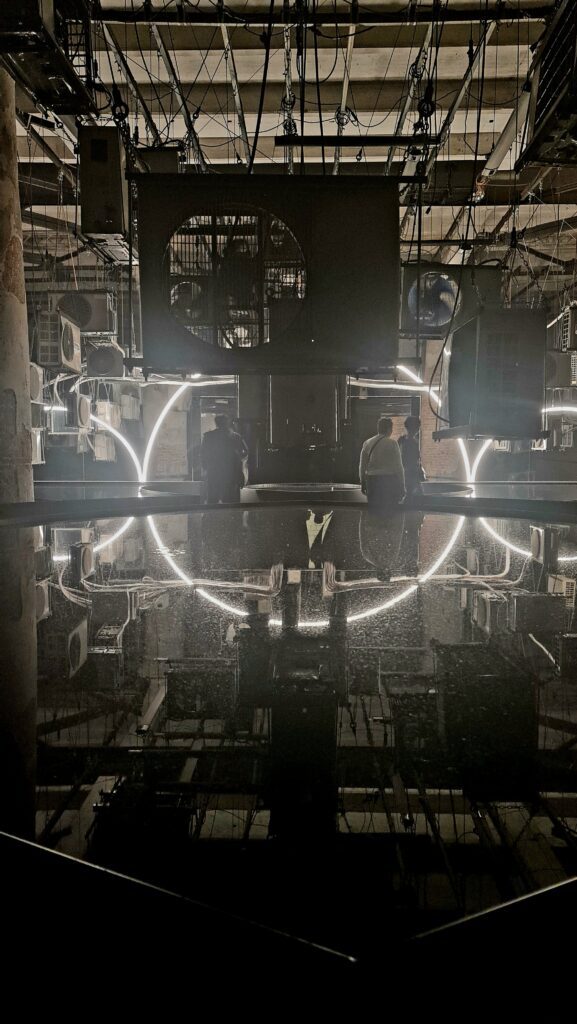
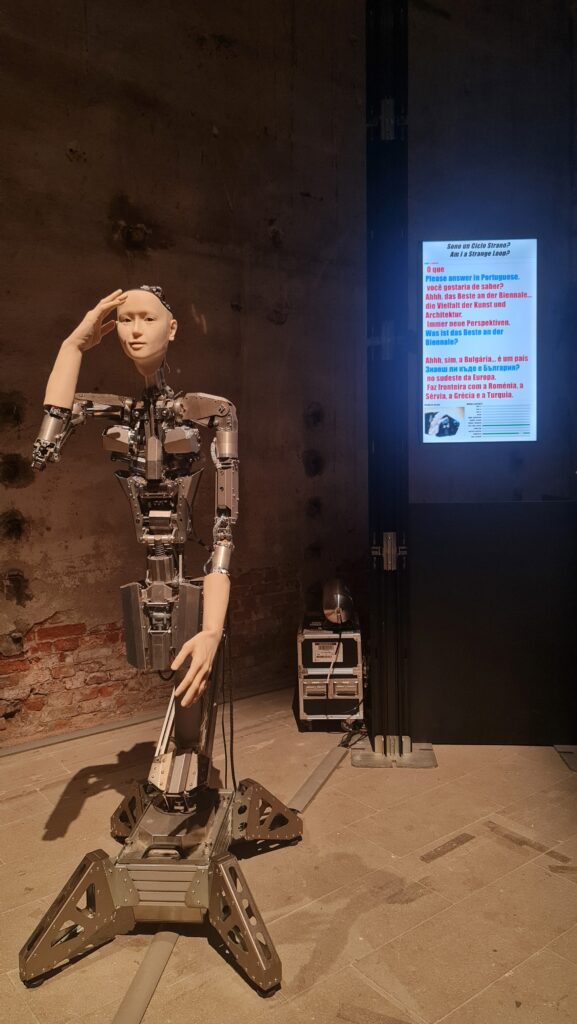
The Latest Architecture Biennale—2025
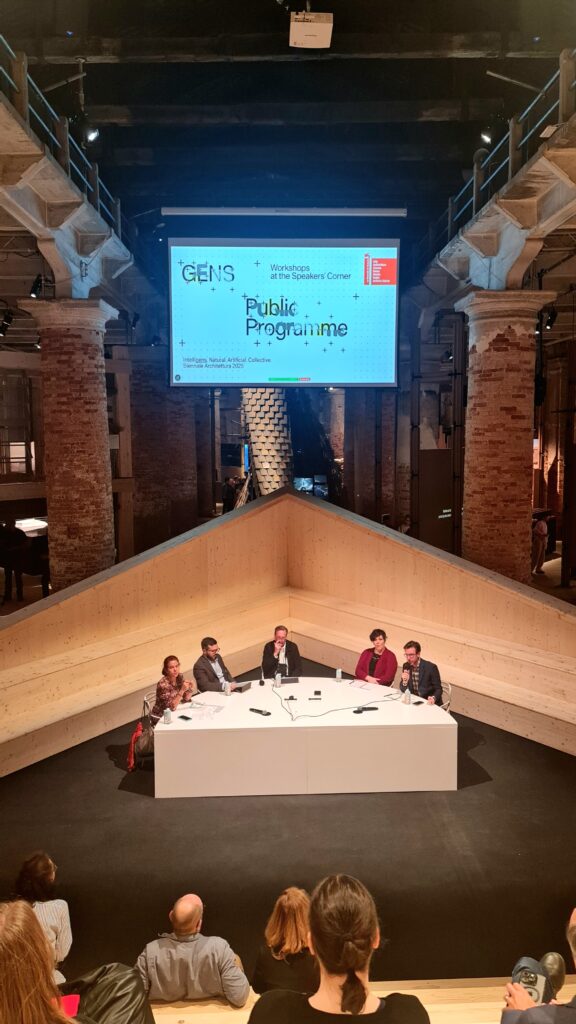
The most recent edition (Architecture Biennale 2025) brought a different but equally relevant perspective. Curated by Carlo Ratti, it explored the theme of intelligence in design, bringing together:
- Natural systems
- Artificial intelligence
- Collective human knowledge
With hundreds of participants and experimental projects, the exhibition emphasized sustainability, innovation, and the role of architecture in responding to a changing world. The city itself became a “living laboratory,” reflecting how architecture is evolving beyond buildings into systems and experiences.
What to Expect — Biennale 2026
The upcoming 61st Art Biennale will take place from May 9 to November 22, 2026, across the Giardini, Arsenale, and the wider city. Titled “In Minor Keys,” the exhibition introduces a more reflective and emotional approach to contemporary art. Rather than focusing on spectacle, this edition is expected to explore:
- Subtle, quieter narratives
- Emotional and human-centered experiences
- Art as a response to global uncertainty
The concept invites visitors to “listen” rather than simply observe—highlighting stories of resilience, repair, and hope. Despite the unexpected passing of curator Koyo Kouoh, her vision will still guide the exhibition, making this edition particularly meaningful for the global art community.
Why It Matters
The Venice Biennale is not about trends—it is about direction. It reveals how artists and architects respond to the world socially, politically, and environmentally. For designers and architects, it is a source of inspiration but also a reminder that design is not isolated—it is part of a broader cultural conversation.
To visit the Biennale is to experience more than art or architecture.
It is to walk through ideas, to encounter different perspectives, and to see how the world is being reimagined—one pavilion, one installation, one story at a time.


